

Shape 3

COGVIS

Helping leaders in a way that works operationally, not just technically.

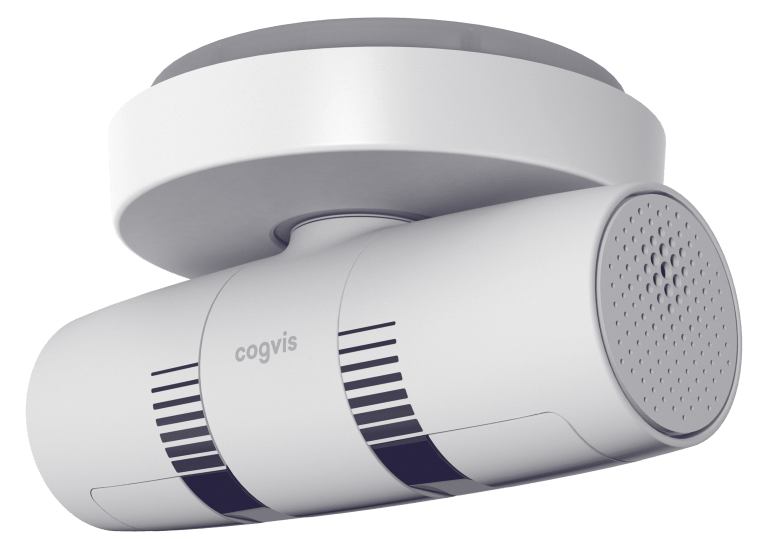
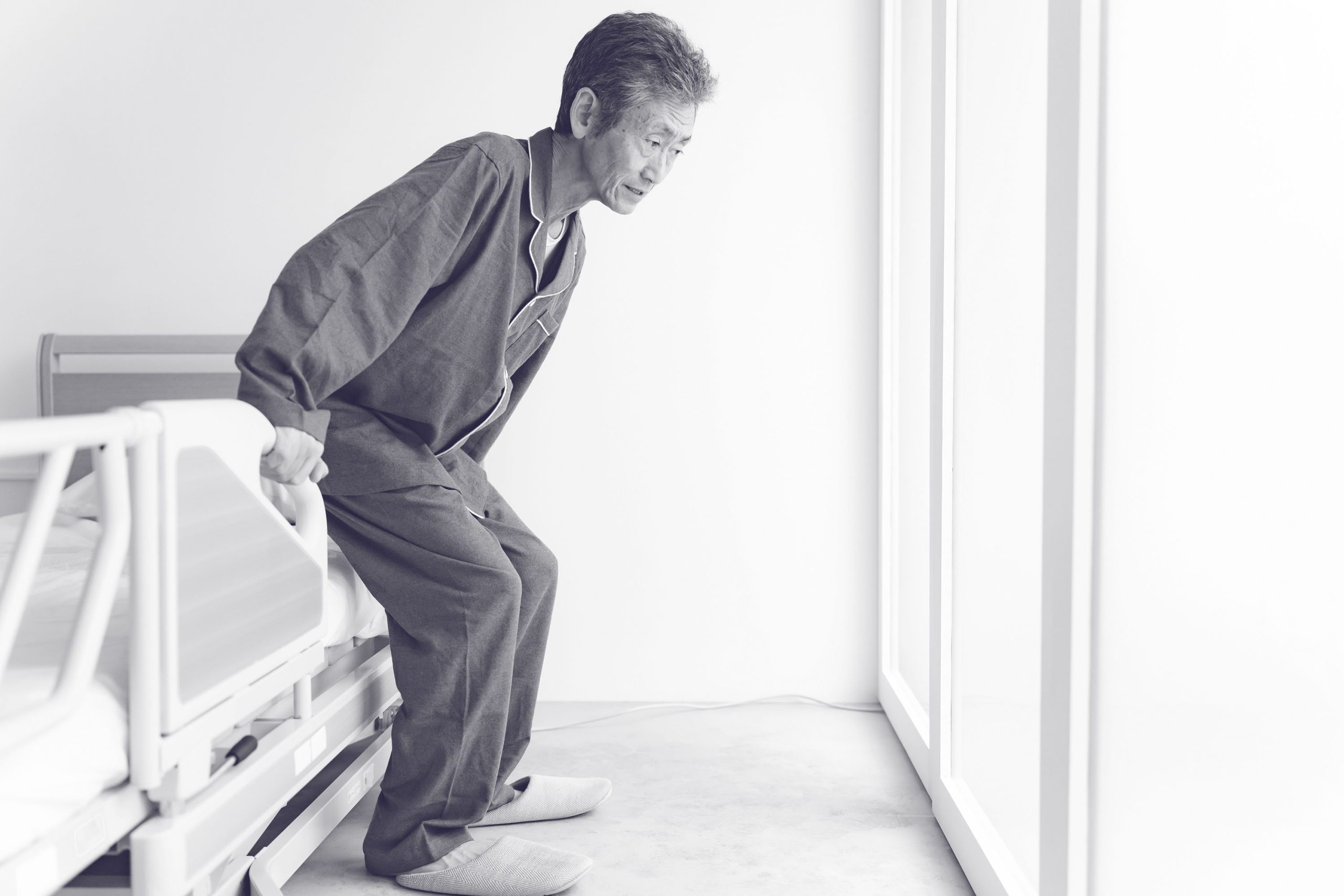
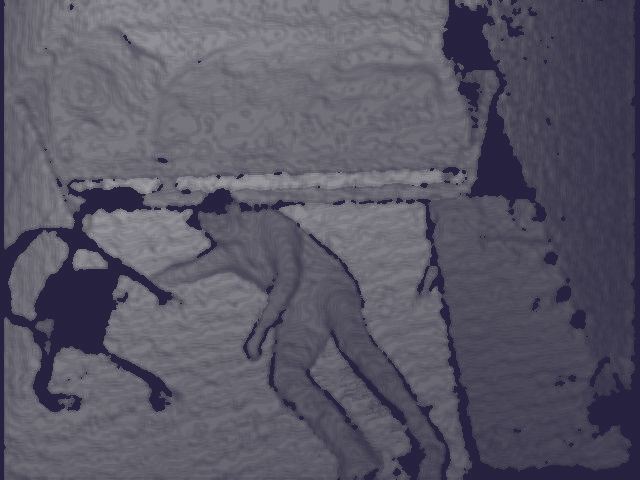
Cogvis brings a smarter approach to care monitoring giving organisations timely visibility of risk-related events like falls, without relying on conventional camera-based monitoring. A 3D infrared sensor turns movement patterns into real-tie alerts – smarter outcomes for residents, clearer answers for families, and stronger evidence for providers, while maintaining a privacy-first approach. Depending on the environment and implementation model, the platform can support functions such as fall detection and prevention, bed-related alerts, absence detection and activity and sleep pattern monitoring.

The technology itself is only part of the decision. In aged care and similar care environments, organisations also need to think carefully about workflow impacts, escalation pathways, resident experience, governance, integration and change readiness. Successful implementation depends on how the technology fits into day-to-day operations, not just what the platform can do.

What organisations should consider before implementation
Shape 3
Privacy, dignity and stakeholder acceptance
Workflow impacts and escalation pathways
Resident, patient or client experience in the care environment
Governance, risk and incident response arrangements
Integration, reporting and operational visibility
Pilot scope, success criteria and rollout readiness
Shape 2

How Rohling supports organisations considering cogvis

Assessing organisational fit, priority use cases and implementation readiness

Designing pilots with clear governance, success measures and evaluation criteria

Advising on workflow impacts, escalation pathways and staff response models

Planning integration with care systems, reporting environments and related operational work-flows

Helping leadership teams work through governance, risk and change implications before broader rollout

Shape 1

Why organisations choose cogvis

Shape 3
Smarter outcomes for residents - earlier detection and faster intervention when it matters.
Smarter answers for families - clear, evidence-based explanations instead of assumptions.
Smarter evidence for providers - stronger records to support governance, incident review and funding decisions.
Smarter supports for staff - less routine checking, more time where it’s needed most.

The evidence backs it up. In a cogvis case study at a Swedish aged care home, digital monitoring tools showed up to 77% fall-prevention potential.* Where supportive resources like this exist for staff, organisations have seen up to a 23% decrease in professional turnover.** For context, Australian aged care workers report an average of 6.5 hours of unpaid work each week due to excessive workloads.***

*Source: cogvis case study, Swedish aged care home. **Source: Austrian Ministry of Social Affairs, Job Satisfaction in Nursing, 2021. ***Source: Australian Government Department of Health and Aged Care (DoHAC), Aged Care Worker Survey, 2024.

FREQUENTLY ASKED QUESTIONS

Shape 3
Does cogvis use cameras?

No. cogvis uses a silent 3D infrared depth sensor, not a camera. It captures body position by shape and movement data, not identifiable images, enabling staff to detect and respond to events such as falls while protecting resident privacy and dignity. In cogvis case studies across multiple organisations, more than half of falls were found to occur unnoticed by staff.† cogvis surfaces these events as they happen, along with insights into wider activity patterns, so teams can respond earlier and review incidents with evidence rather than assumptions.

Source: cogvis case study across 12 organisations, pre- and post-sensor installation.

How does cogvis help reduce risk in health or aged care?

cogvis is designed to help care teams identify and respond to events such as falls sooner through continuous monitoring and real-time alerts, while also providing insights into activity patterns within the care environment.

Does cogvis integrate with existing systems?

Integration depends on the environment and the systems already in place. cogvis has been integrated with a range of systems internationally, including nurse call platforms. Rohling assesses integration requirements upfront so alerts and activity data can support existing workflows and escalation pathways.

How do organisations assess whether cogvis is the right fit?

Assessment typically starts with understanding organisational objectives, workflows and existing systems. Where appropriate, a pilot can be used to test outcomes against agreed success criteria. Rohling helps organisations determine whether the approach is a good fit for their environment.

Does Rohling sell cogvis?

Yes. Rohling is the only authorised distributor in Australia. We work with organisations to assess fit, support implementation and help ensure the technology aligns with operational, governance and integration requirements.

Considering care
monitoring technology
in your environment?